
Entertainment
Inside Nigeria’s Cinemas: How Sharp Practices Are Undermining Nollywood’s Big Screen Dream

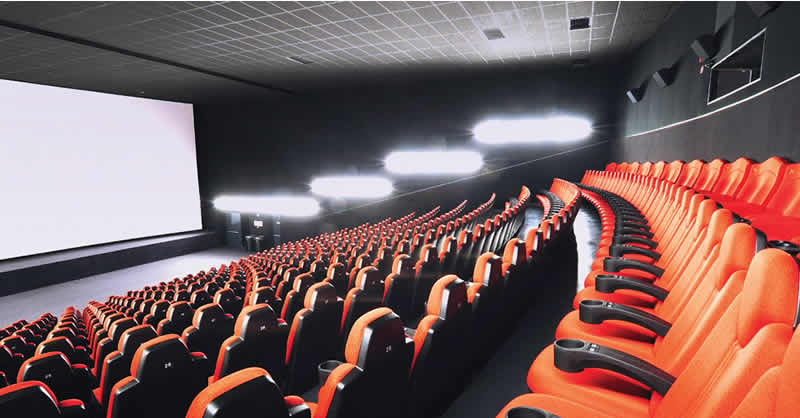
Nigeria’s cinema industry, once hailed as the next growth frontier for Nollywood, is increasingly coming under scrutiny—not for lack of audience interest or quality films, but for troubling allegations of unprofessional conduct that many insiders say is quietly sabotaging filmmakers and distorting the box office.
Across major cinema chains, a pattern is emerging: delayed screenings, unexplained “technical glitches,” selective promotion, and, more troubling, allegations of staff bias driven by under-the-table inducements from competing producers.
For an industry still fighting to establish credibility and structure, these practices could have far-reaching consequences.
The “Technical Glitch” Excuse
One recent incident that sparked outrage involved a TikTok user who shared her experience at Silverbird Cinemas in Abuja. According to her, she had gone specifically to watch Eleko (Oba Esugbayi), only to be told by cinema staff that the film could not be screened due to a “technical glitch.”
What happened next raised eyebrows.
Rather than attempt to resolve the issue, the staff reportedly encouraged her to watch another film they were actively promoting. She declined.
The controversy deepened when it became clear that the same film had been screening without issues in other cinemas across the country on that very day—raising questions about whether the “glitch” was genuine or a convenient tactic to redirect viewers.
Showtime Manipulation and Silent Sabotage
Producers and distributors quietly complain of films starting late—or not at all—despite being listed on schedules. In some cases, showtimes are allegedly shifted without notice, leaving audiences frustrated and films losing crucial early-day momentum.
These delays matter. In Nigeria’s cinema ecosystem, opening weekend performance often determines how long a film stays on screen. A delayed or cancelled show can translate directly into lost revenue and fewer future slots.
Worse still, some filmmakers allege that their films are deliberately given inconvenient screening times—early mornings or late nights—while preferred titles dominate peak hours.
The Battle for Screens—and Staff Bias
Another recurring complaint is the refusal by some cinemas to display publicity materials such as posters, standees, and trailers for certain films.
Instead, attention is disproportionately given to select titles.
Take the case of Arinzo by Iyabo Ojo. Multiple reports suggest that cinema staff across different locations openly promoted the film to customers, sometimes at the expense of competing titles.
While aggressive marketing is not unusual, what has raised concern is the allegation that such preferential treatment is not organic—but financially motivated.
Industry insiders claim that some cinema managers and staff receive inducements from producers or distributors to push certain films while sidelining others.
If true, this represents a serious conflict of interest and a breakdown of professional ethics.
A Culture of Cash-and-Carry Influence?
The allegations point to a deeper structural problem: weak regulation and lack of transparency in cinema operations.
Unlike more mature markets, where box office reporting and scheduling are tightly monitored, Nigeria’s cinema ecosystem still operates with significant opacity.
This creates room for manipulation—whether in ticket sales reporting, screen allocation, or promotional visibility.
For independent filmmakers, who often operate on tight budgets, such practices can be devastating.
Imagine investing millions of naira into production, marketing, and distribution—only for your film to be quietly undermined at the point of exhibition.
The Bigger Threat to Nollywood
Nigeria’s film industry, often represented by Nollywood, has made significant strides in recent years. Higher production values, stronger storytelling, and increasing cinema attendance have positioned it as a serious contender on the global stage.
But these gains are fragile.
If cinema operators—key gatekeepers in the value chain—are perceived as unreliable or biased, investor confidence could erode. Producers may begin to question the viability of cinema releases altogether, opting instead for direct-to-streaming models.
That shift, while inevitable to some extent, could stall the growth of Nigeria’s cinema culture—a culture that has only recently begun to take root among urban audiences.
Audience Trust at Risk
Beyond producers, audiences are also affected.
When moviegoers are misled about availability, redirected without consent, or subjected to poor scheduling, trust in the cinema experience diminishes.
And once that trust is broken, it is difficult to rebuild.
Time for Accountability
The issues being raised are not isolated—they point to systemic challenges that require urgent attention.
Stakeholders, including regulators, distributors, and cinema owners, must confront these allegations head-on. Clear guidelines on scheduling, transparency in operations, and accountability mechanisms for staff conduct are essential.
Because if left unchecked, these “small” acts of unprofessionalism could collectively do what no piracy network or funding shortage has managed to achieve—undermine the future of Nigeria’s cinema industry from within.
For Nollywood to truly take its place among the world’s leading film industries, its exhibition sector must rise to the same level of professionalism, integrity, and fairness that filmmakers are striving to achieve on screen.
Kindly contact us @ info[@]wordspired.com.ng
Call or Whatsapp: +234 803 951 2443, +234 705 759 7144











Adron Group Chairman Celebrates Business Icon Otunba Muraina Banjoko at 65

State Police: SMBLF Insists Govs Should Have Power to Appoint, Sack Commissioners

FG Borrowed N12.62tn in 2024, Exceeding Budget Target by 61% as Revenue Shortfall Worsened Deficit

Aare Adetola Emmanuelking Hails Prof. Abayomi Arigbabu’s Impact on Education as He Marks Birthday

Group Wants APC NWC to Stop Safaradeen Alli from Parading Self as Oyo Guber Candidate


 News6 years ago
Omar Bolaji Gambari: The new Mr. Fix It in Aso Rock?
 News6 years ago
You are in trouble, Shekau threatens Chadian President Idris Deby
- Entertainment6 years ago
Afro fusion act TYMZY set to excite music fans with debut collection
- News6 years ago
Maryam Onikijipa-Belgore: Living an Impactful Life for the Downtrodden
- News6 years ago
Dutch top football league may be cancelled
- Entertainment6 years ago
Saidi Balogun’s latest movie White/Funfun hits the market, making waves on YouTube
- News6 years ago
“Ego is the major problem affecting Yoruba race” – Oba Frederick Akinruntan
- Metro6 years ago
Super cop, Yinka Egbeyemi distributes COVID-19 palliatives, turns heat on Lagos hoodlums